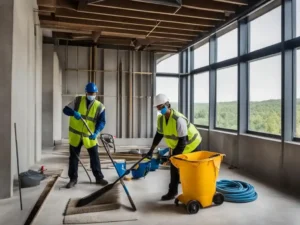
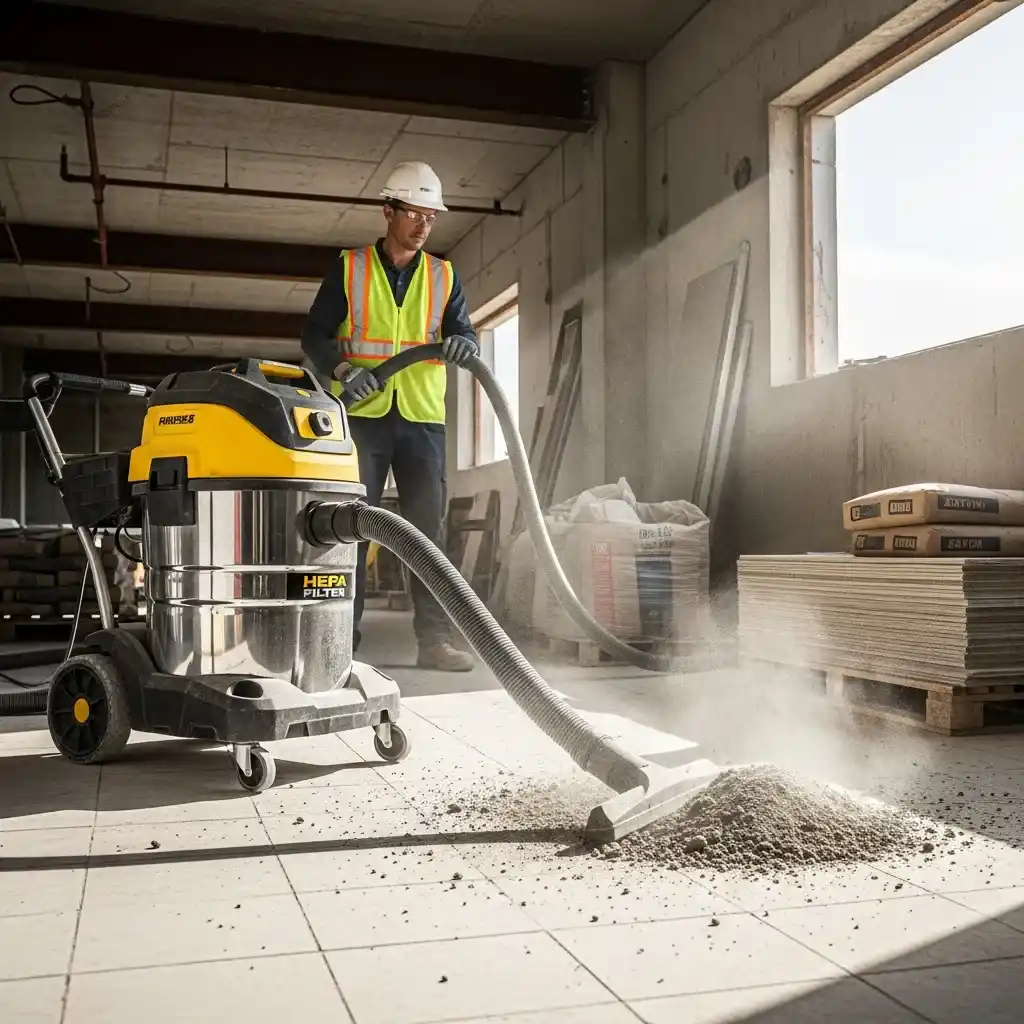
When you are tackling a major renovation or a professional job site build, the sheer volume of debris can be overwhelming. Standard shop vacs often fail when faced with the microscopic challenges of a modern workspace. This is where a high-performance Construction Vacuum Cleaner and an industrial dust extractor become essential assets. At Meticulosity Cleaning, we understand that maintaining a pristine environment isn’t just about aesthetics; it is about safety, efficiency, and equipment longevity. Using the right post-construction cleaning equipment and effective dust control solutions in Sacramento, CA, for job site debris cleanup ensures that your project stays on schedule while protecting the health of everyone involved.
The team at Meticulosity Cleaning has seen firsthand how the wrong equipment can lead to airborne hazards and clogged filters. A dedicated industrial vacuum is designed specifically to handle the abrasive nature of masonry and wood particles. Unlike residential units, these machines feature robust motors and specialized filtration systems that prevent fine particles from being exhausted back into the room. Investing in quality cleanup gear is the first step toward a professional finish that meets modern environmental standards.
The Importance of High-Efficiency Particulate Air Filtration
One of the most critical components of a modern Construction Vacuum Cleaner is its ability to trap the smallest particles. When sanding joints or grinding floors, you are dealing with silica dust and other respirable hazards. Standard filters allow these tiny grains to pass right through, creating a hazy cloud that settles on every surface. A HEPA vacuum is the gold standard in this regard, capable of capturing 99.97% of particles as small as 0.3 microns. This level of precision is mandatory for compliance with safety regulations and for ensuring the air remains breathable during and after the work.
Understanding Filtration Ratings
Not all filters are created equal. Professionals often look for M-Class or H-Class certifications depending on the toxicity of the materials they are handling. While a standard wet-dry vacuum can handle water and large wood chips, it lacks the multi-stage separation required for fine dust removal. By utilizing a pre-filter or a cyclonic separator, the main filter remains unclogged for longer periods, maintaining high suction power throughout the duration of the job.
Protecting Your Health on Site
Long-term exposure to construction debris can lead to chronic respiratory issues. Using a dust extractor with a sealed canister prevents leaks that often plague cheaper models. When you choose a machine with a self-cleaning filter, the vacuum periodically pulses to knock dust off the internal membrane. This ensures that the airflow remains consistent, so you aren’t constantly stopping to manually beat out a dirty filter, which would otherwise release a plume of hazardous material into your face.
Managing Concrete and Masonry Debris
Concrete grinding and tuck-pointing produce a specific type of heavy, abrasive grit that can quickly destroy a standard motor. A specialized Construction Vacuum Cleaner for concrete is built with reinforced hoses and high-capacity tanks. These machines are often paired directly with power tools via a dust extraction port. This “at-source” capture method is the most effective way to manage mess, as it stops the debris before it ever has a chance to hit the floor or enter the atmosphere.
The Role of Tank Capacity
When working with heavy materials like stone or mortar, the weight adds up quickly. Professionals often opt for stainless steel or high-impact plastic canisters that can withstand the weight of several gallons of sludge or dry grit. Some units even feature a “longopac” bagging system, which allows for continuous bagging of waste without exposing the operator to the contents. This is particularly useful in commercial cleaning settings where downtime needs to be minimized.
Power Tool Integration Features
Many high-end models feature an onboard power outlet with an “auto-start” function. When you trigger your miter saw or grinder, the vacuum automatically kicks on, and it continues to run for a few seconds after the tool stops to clear the hose. This synchronization makes the Construction Vacuum Cleaner an extension of your toolkit rather than just another peripheral. It simplifies the workflow and ensures that the cleanup process is automated and thorough.
Mastering Drywall Dust and Fine Particulates
Drywall sanding is perhaps the most notorious task for creating a mess that migrates into every corner of a building. The powder is incredibly light and carries an electrostatic charge that makes it cling to walls and ceilings. To combat this, a Construction Vacuum Cleaner must have a high CFM (Cubic Feet per Minute) rating. This measurement indicates the volume of air the machine can move, which is more important than raw “peak horsepower” when it comes to keeping light powder contained.
Anti-Static Hose Technology
A common annoyance during drywall work is the buildup of static electricity. As fine dust moves quickly through a plastic hose, it creates a charge that can give the user a sharp shock or cause the hose to “clog” as dust sticks to the interior walls. Professional-grade vacuums utilize anti-static hoses and grounded inlets to dissipate this energy. This keeps the suction smooth and prevents the frustration of a clinging, dusty hose sticking to your clothes or the ladder.
Wet vs. Dry Capabilities
While drywall is strictly a dry job, many sites involve plumbing leaks or spills. Having a wet-dry vacuum capability means you don’t need two separate machines. A quick swap of the filter or the removal of a dust bag allows the machine to pivot from sucking up fine white powder to clearing out a flooded basement. This versatility is why these machines are the backbone of any restoration or remodeling crew’s equipment lineup.
Maintenance Tips for Longevity
Even the best Construction Vacuum Cleaner requires regular maintenance to perform at its peak. Because these machines live in harsh environments, a “set it and forget it” mentality will lead to premature motor failure. Regular inspections of the seals and gaskets ensure that no “dirty air” is bypassing the filtration system. A small leak in a seal can significantly reduce the vacuum pressure and allow fine grit to enter the motor housing, where it acts like sandpaper on the internal components.
- Check the HEPA filter for any visible tears or clogs before every major shift.
- Empty the collection tank when it reaches two-thirds full to maintain maximum airflow.
- Clean the suction hose by running a small amount of clean water through it if it has been used for wet pickup.
- Inspect the power cord for frays or nicks, which are common in busy work zones.
- Replace the dust bags frequently, especially when working with dense materials like plaster or cement.
Frequently Asked Questions
Can I use a regular household vacuum for construction dust?
No, household vacuums cannot handle fine construction dust and may release particles back into indoor air.
What is the difference between a shop vac and a dust extractor?
Dust extractors offer HEPA filtration and tool connections, while shop vacs handle larger debris with less filtration.
How often should I replace my HEPA filter?
For frequent professional use, replace HEPA filters every three to six months or when suction noticeably drops.
Is a bag necessary for a construction vacuum?
Using a bag improves filtration, simplifies disposal, and reduces exposure when handling fine construction dust particles.
What does CFM mean in a vacuum?
CFM measures airflow volume, indicating how effectively a vacuum captures dust, especially during power tool operation.
Conclusion
Maintaining a clean job site goes beyond aesthetics; it demonstrates a strong commitment to safety, efficiency, and quality. A dedicated Construction Vacuum Cleaner is essential for managing the unique challenges of concrete dust, drywall particles, and other fine debris. By selecting a machine with superior filtration and durable construction, you ensure your workspace remains healthy and your tools stay in optimal condition. Whether you are a professional contractor or a committed DIY enthusiast, the right industrial vacuum saves time, reduces physical strain, and protects your investment. If the scale of your cleanup feels overwhelming, the experts at Meticulosity Cleaning are ready to assist you. Contact us today to achieve a spotless, safe, and move-in-ready worksite.