Preparing to move out of a rental home or apartment involves more than packing boxes and organizing your belongings. Most tenants want to know what a landlord expects during the final inspection, and understanding what does a move-out cleaning include is essential for avoiding deductions and ensuring a smooth transition. Many renters begin their cleaning before moving to avoid last-minute stress and meet inspection expectations. Others focus on thorough rental cleaning to ensure the property is returned in excellent condition. A complete cleaning helps the next occupant enter a fresh and sanitary home while also protecting your deposit. This guide explains everything involved in a proper move-out clean, the tasks tenants must complete, and the steps that help you prepare effectively.
Why Move-Out Cleaning Matters for Tenants
Move-out cleaning is important because it directly influences the condition in which the landlord receives the property. A clean and well-maintained space shows responsibility and respect for the rental agreement. When tenants understand the expectations, they can plan and avoid any confusion during the final walkthrough. Most landlords expect the home to look similar to how it appeared on move-in day, which means the cleaning should be detailed and thorough.
When a tenant leaves the property clean, the landlord can immediately prepare the unit for new tenants, which reduces downtime and helps maintain property standards. It also helps renters get their deposit back without delay. Since inspections are always based on cleanliness and condition, a well executed move-out cleaning supports a hassle free experience for both parties, especially when supported by trusted services like Meticulosity Cleaning.
Deep Cleaning the Kitchen Before Moving
The kitchen is often the most used and most inspected area in any home. Over time, grease, food splatters, and stains build up in places that daily cleaning sometimes overlooks. A proper move-out cleaning requires deep attention to all surfaces, appliances, and fixtures. Tenants should begin by emptying all cabinets and drawers, wiping the interiors, and removing crumbs or dust. The exterior surfaces, such as handles, knobs, and doors, should also be cleaned to restore their original shine.
The appliances inside the kitchen usually require special focus. The refrigerator should be emptied, defrosted if needed, cleaned from top to bottom, and deodorized. The oven must be scrubbed to remove burnt food, grease, and residue. Microwave cleaning includes scrubbing the turntable, door, and vents. The sink and faucet should be sanitized, and the backsplash wiped clean. Floors should be swept and mopped to eliminate food particles that often settle underneath tables and countertops. These steps ensure the kitchen is spotless and ready for inspection.
Making Bathrooms Move-In Ready
Bathrooms collect a significant amount of moisture, soap scum, hard water residue, and bacteria. This makes them another area landlords inspect closely. A proper move-out cleaning must leave the bathroom smelling fresh, sanitized, and visually appealing. Tenants should start by scrubbing the shower walls and bathtub to remove soap buildup and mineral stains. Glass surfaces, such as shower doors, should be cleaned until streak-free.
The toilet must be thoroughly disinfected, including the bowl, seat, base, and handle. Sinks, faucets, and countertops need wiping to remove toothpaste residue, makeup stains, and dust. Mirrors should be polished for a clear, clean look. Vent covers, light fixtures, and fans often gather dust and should be wiped down. Finally, the floor needs mopping, especially around corners and baseboards where dirt tends to accumulate. When everything is cleaned properly, the bathroom will look refreshed and ready for the next occupant.
Bedrooms and Living Areas That Impress Landlords
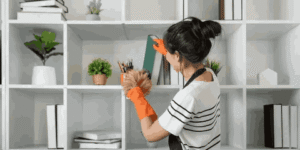
Bedrooms and living areas may appear simple to clean, but a proper move-out requires more than general tidying. These spaces collect dust in corners, carpets, vents, and near furniture. Tenants should begin by removing all personal items and furniture. Once the space is empty, the cleaning process becomes easier and more effective. All walls should be checked for scuff marks or minor spots that can be cleaned with a gentle solution. Light switches, doorknobs, and door frames need wiping to remove fingerprints and dirt.
Floors require special attention. Carpeted areas should be vacuumed thoroughly, and stains should be treated. Hardwood or tile floors must be swept and mopped, ensuring no dust is left in corners or under baseboards. Window blinds and sills tend to collect dust and must be cleaned. Ceiling fans and vents should be wiped to eliminate buildup. A clean, organized, and odor-free room leaves a strong impression during the inspection.
Cleaning Storage Areas and Hidden Spaces
Many tenants forget about hidden or secondary areas during move-out cleaning. These spaces still matter to landlords and should be cleaned thoroughly. Closets must be emptied completely, and shelves should be wiped clean. Any hanger marks or dust buildup should be removed. Laundry rooms often contain lint, detergent spills, or dust behind appliances. Cleaning behind and underneath the washer and dryer helps ensure the space looks neat.
Entryways, hallways, and staircases are also important because they contribute to the overall condition of the home. These areas should be vacuumed, swept, wiped, and checked for any marks on the walls. Storage rooms, utility closets, and small corners should never be ignored because landlords inspect them to ensure they are ready for the next tenant.
Final Touches That Help Secure Approval
After cleaning each room, the final touches help create a polished, move-in-ready atmosphere. These finishing steps make the home feel fresh and well cared for. Windows must be cleaned from the inside to allow natural light to shine through clearly. Door frames, trim, and baseboards should be checked for dust or dirt. Removing trash from the property and ensuring no personal belongings remain prevents misunderstandings.
Odor control is another important element. Tenants should make sure the home smells clean and neutral. Fresh air circulation can help clear odors from cooking, pets, or daily living. A quick walk through each room helps identify missed areas and gives tenants the chance to make last-minute improvements before the landlord arrives.
FAQ
How long does a move-out cleaning take?
The time required depends on the size of the home and the extent of cleaning needed. Most homes take several hours to a full day to complete.
Do landlords require every part of the home to be cleaned?
Landlords typically expect the entire property to be clean, including hidden spaces, appliances, and storage areas.
Can I get my deposit back without a move-out cleaning?
It is possible, but cleaning increases your chances significantly because most deductions come from cleanliness issues.
Should I hire professional cleaners?
Hiring professionals helps ensure nothing is missed, and the property meets typical inspection standards.
When should I start the cleaning process?
It is best to begin after removing your belongings so you can clean each space thoroughly.
Conclusion
Understanding what does a move-out cleaning include makes it easier to meet landlord expectations, prepare for the final inspection, and leave the property in excellent condition. A clean and well-prepared home supports a stress-free transition and helps you receive your full deposit. When you need reliable support and a smooth, professional experience. Contact us today, Meticulosity Cleaning, for assistance and customer-focused service.